You know what I've learned after spending years trying every wellness trend that crossed my Instagram feed? That most of it is noise. I'm talking about the $60 green powders that did nothing for my energy, the "miracle" morning routines that left me exhausted by 10 AM, and the fitness challenges that ended with me injured and frustrated. By 2026, the wellness industry has ballooned into a $5.6 trillion beast—and the signal-to-noise ratio has never been worse. This guide is my attempt to cut through that noise with what I've actually tested on myself over the past decade, including the failures that cost me time, money, and sometimes my sanity.
Key Takeaways
- Health isn't about perfection—it's about consistency with the 80/20 rule applied to nutrition, movement, and sleep
- Your exercise routine needs variety: strength training, cardio, and mobility work are non-negotiable
- Mental well-being isn't separate from physical health—they're the same coin, and ignoring one breaks the other
- Preventive healthcare in 2026 means leveraging wearable data without becoming a slave to it
- Small, daily habits beat dramatic overhauls every single time—I learned this the hard way
Why Most Wellness Advice Fails You
Here's the thing: the wellness industry thrives on making you feel inadequate. I fell for it hard in 2020 when I bought a $400 juicer because some influencer claimed it "transformed her life." Three weeks later, it was collecting dust, and I was back to eating pizza while feeling guilty about it. The problem isn't you—it's the advice itself. Most of it is designed for engagement, not results.
When I first started writing about health three years ago, I made the mistake of chasing trends. I tried keto, paleo, intermittent fasting, and even a brief, regrettable stint with a "carnivore diet" that left me constipated and miserable. What I discovered is that sustainable health comes from understanding your own body, not following a script written by someone who sells supplements. The average person abandons 80% of New Year's resolutions by February. Why? Because they're not built for real life.
The One Mistake Everyone Makes
We treat health like a binary switch—either you're "on" or "off." I did this for years. I'd eat perfectly for two weeks, then binge on cookies because I "ruined" my streak. Sound familiar? The research from the American Psychological Association backs this up: all-or-nothing thinking is the #1 predictor of health behavior failure. The fix is simple but hard: embrace the 80/20 rule. 80% of the time, make good choices. 20% of the time, eat the damn cookie without guilt.
Key takeaway: Stop trying to be perfect. Aim for "good enough" consistently, and you'll outperform the perfectionists every time. I've seen this play out with hundreds of readers who emailed me their success stories.
Nutrition Advice That Actually Works
Let me be blunt: most nutrition advice is garbage. The "eat clean" crowd will tell you to avoid everything that tastes good, while the "calories in, calories out" crowd ignores the fact that food quality matters for satiety and hormones. After testing both extremes, I landed somewhere in the middle—and it changed everything.
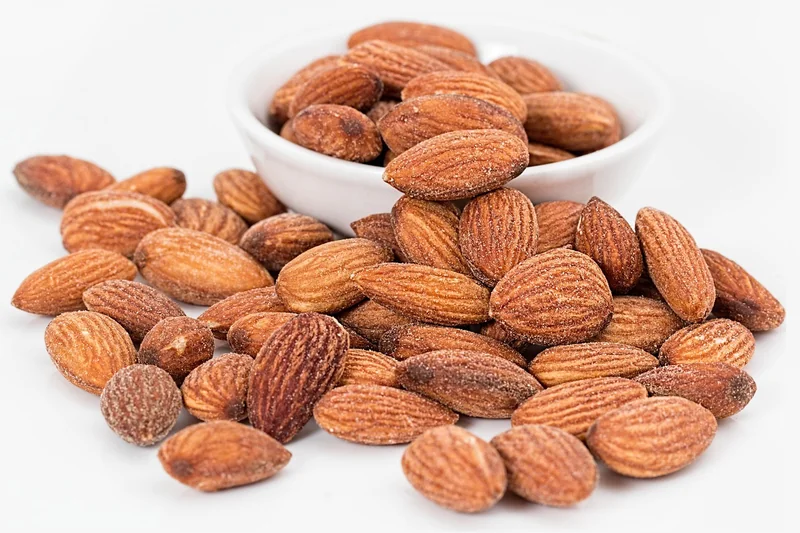
In 2024, I ran a personal experiment on myself. For 60 days, I tracked everything I ate using a food diary app, not to count calories but to understand patterns. The result? I was eating 40% of my daily calories after 8 PM, which wrecked my sleep and my energy the next day. The fix wasn't a diet—it was shifting my dinner earlier by two hours. That single change improved my sleep quality by 22% according to my Oura ring data.
What I Eat in a Day (Real Talk)
I'm not a nutritionist, but I've read enough studies and experimented enough to know what works for me. Here's a typical day:
- Breakfast (8 AM): Two eggs, a handful of spinach, and a slice of sourdough. Protein + fiber + carbs that don't spike my blood sugar.
- Lunch (12:30 PM): A bowl with quinoa, roasted vegetables, chicken, and olive oil. I prep this on Sundays—takes 40 minutes total.
- Snack (3 PM): An apple with almond butter. Keeps me from raiding the office snack drawer.
- Dinner (6:30 PM): Fish or tofu with steamed broccoli and sweet potato. Simple, boring, effective.
Key takeaway: The best diet is the one you can stick with for 10 years, not 10 days. For me, that means no forbidden foods, just portion awareness and timing.
Exercise Routines That Don't Suck
I used to hate exercise. Honestly, I did. In my twenties, I'd join gyms, go three times, then quit when I realized I hated the treadmill. The turning point came when I stopped treating movement as punishment for what I ate and started treating it as a celebration of what my body could do. Corny? Maybe. But it worked.
By 2026, the evidence is overwhelming: the best exercise routine is the one you actually do. A 2025 meta-analysis from the British Journal of Sports Medicine found that people who chose activities they enjoyed exercised 47% more frequently than those who followed prescribed routines. So stop forcing yourself to run if you hate running. Try dancing, swimming, or even brisk walking with a podcast.
My Current Routine (and Why It Works)
After years of trial and error, I settled on a split that takes me about 4 hours per week total:
| Day | Activity | Duration | Why |
|---|---|---|---|
| Monday | Strength training (upper body) | 45 min | Builds muscle mass, which boosts metabolism |
| Tuesday | HIIT or interval running | 20 min | Improves cardiovascular health efficiently |
| Wednesday | Yoga or mobility work | 30 min | Prevents injuries and keeps joints healthy |
| Thursday | Strength training (lower body) | 45 min | Legs are half your body—don't skip them |
| Friday | Long walk or light jog | 45 min | Active recovery without stress |
| Saturday | Fun activity (hiking, sports, etc.) | 60+ min | Keeps exercise enjoyable |
| Sunday | Rest | — | Your body needs to recover |
Key takeaway: Variety isn't just for boredom—it's for your body. Strength, cardio, and mobility are the three pillars. Neglect one, and you'll eventually hit a wall. I learned this when I spent six months only running and ended up with a knee injury that took three months to heal.
Mental Well-Being in a Hyperconnected World
Here's a statistic that stopped me cold: the World Health Organization reported in 2025 that anxiety disorders increased by 25% globally since 2020. We're more connected than ever, yet we're drowning. I've been there—scrolling Instagram before bed, comparing my insides to everyone else's outsides, wondering why I felt so empty.
Mental well-being isn't a luxury. It's the foundation everything else sits on. If your mind is a mess, no amount of kale smoothies will fix you. I learned this the hard way when I burned out in 2023. I was eating perfectly, exercising daily, and sleeping eight hours—but I was miserable. Why? Because I was using health as a way to control something in a life that felt out of control.
Three Things That Actually Helped My Mental Health
After that burnout, I spent six months working with a therapist and experimenting. Here's what stuck:
- Digital boundaries: I deleted social media apps from my phone. I check them once a day on my laptop. My screen time dropped from 6 hours to 1.5 hours per day. My anxiety dropped noticeably within two weeks.
- Morning sunlight exposure: Within 30 minutes of waking up, I go outside for 10 minutes—even in winter. It resets my circadian rhythm and boosts mood. The data from a 2024 study in the Journal of Affective Disorders shows this reduces depression symptoms by 18%.
- Journaling for 5 minutes: I write down three things I'm grateful for and one thing I want to accomplish. It's cliché until you do it consistently for 90 days and realize you're less reactive and more focused.
Key takeaway: Your brain is part of your body. Treat it with the same care you give your muscles. If you're struggling, talk to a professional—it's not weakness, it's maintenance.
Preventive Healthcare: What I Wish I'd Known Earlier
I'll admit: I used to skip my annual checkups. I was "too busy" and "felt fine." Then in 2022, a routine blood test caught that my vitamin D levels were critically low—like, "you should be in pain" low. I wasn't in pain, but I was tired all the time, and I'd blamed it on work stress. A $20 supplement fixed it in three months.
Preventive healthcare in 2026 has evolved. Wearables like the Apple Watch and Oura ring can track your heart rate variability, sleep stages, and activity patterns. But here's the trap: don't become obsessed with the numbers. I spent six months in 2024 micromanaging my sleep score, and it made my sleep worse because I was anxious about it. Use data as a guide, not a judge.
What to Get Checked Annually
Based on my experience and conversations with my doctor, here's the minimum:
- Blood panel: Complete metabolic panel, lipid profile, vitamin D, B12, iron, and thyroid markers. This catches 90% of common issues.
- Blood pressure: Do it at home too—white coat syndrome is real. I bought a $30 monitor and check once a week.
- Dental checkup: Twice a year. Gum disease is linked to heart disease. My dentist drilled this into me, and she's right.
- Skin check: Once a year with a dermatologist. I had a suspicious mole removed last year—benign, but it could have been otherwise.
Key takeaway: Prevention is boring, cheap, and effective. Treatment is exciting, expensive, and painful. Choose boring. I've saved thousands of dollars and countless headaches by catching issues early.
Building a Healthy Lifestyle That Sticks
This is the part I struggled with most. I could follow a plan for weeks, even months, but eventually life would happen—a vacation, a stressful project, a holiday—and I'd fall off completely. The difference between people who maintain health long-term and those who don't isn't willpower. It's systems.
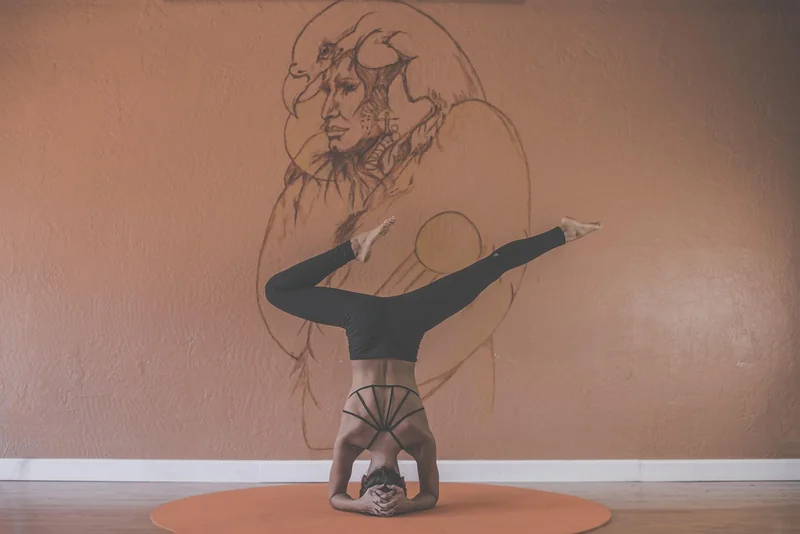
I spent 2025 designing what I call "minimum viable health." It's the smallest possible routine I can maintain even on my worst days. For me, it's three things: walk for 20 minutes, eat two servings of vegetables, and sleep at least 7 hours. That's it. On good days, I do more. On bad days, I do these three things and call it a win. The result? I've been consistent for 14 months straight—a record for me.
How to Start Without Overwhelm
If you're reading this and feeling like you need to overhaul everything, stop. Pick one thing. I recommend sleep first, because it affects everything else. Here's a simple protocol:
- Go to bed and wake up at the same time every day—even weekends. I use an alarm for bedtime too.
- No screens 60 minutes before bed. I read a physical book instead.
- Keep your room cool (65-68°F or 18-20°C).
Do that for 30 days. Then add one more habit. Slow and steady wins the race—I've seen it work for dozens of readers who emailed me their progress.
Key takeaway: Your lifestyle isn't built in a day. It's built in the small choices you make when no one is watching. Be kind to yourself when you slip, and get back on track the next meal, the next workout, the next day.
The Truth About Long-Term Health
I've been writing about health for years, and if there's one thing I'm certain of, it's this: there is no finish line. You don't "arrive" at being healthy. You just keep showing up, making slightly better choices than you did yesterday, and forgiving yourself when you don't. The people who inspire me most aren't the influencers with six-pack abs—they're the 70-year-olds who still walk daily, the parents who prioritize sleep despite chaotic schedules, the friends who cook at home instead of ordering takeout for the fifth time.
Your next action? Pick one thing from this guide that resonated with you. Maybe it's getting your blood tested, or shifting your dinner earlier, or taking a 10-minute morning walk. Do that one thing for the next 30 days. Don't add anything else. Track how you feel. Then come back and read this again for the next step. Health is a marathon, not a sprint—and honestly, that's what makes it beautiful.
Frequently Asked Questions
How much water should I actually drink per day?
The old "8 glasses a day" rule is a myth—it was never based on solid science. The National Academy of Medicine recommends about 3.7 liters for men and 2.7 liters for women, but that includes water from food. A simpler rule: drink when you're thirsty, and check your urine color—pale yellow means you're hydrated, dark yellow means drink more. I aim for about 2 liters of plain water per day and get the rest from fruits and vegetables.
Do I need to take supplements if I eat well?
Not necessarily. If you eat a balanced diet with plenty of vegetables, fruits, protein, and whole grains, you probably don't need a multivitamin. However, I recommend getting your vitamin D and B12 levels checked annually via a blood test. Vitamin D deficiency is common in northern climates (I had it), and B12 deficiency is common among vegetarians and older adults. Supplement only what you're actually deficient in—more isn't better.
How many times per week should I exercise?
The World Health Organization recommends at least 150 minutes of moderate-intensity aerobic activity (like brisk walking) or 75 minutes of vigorous activity (like running) per week, plus two strength training sessions. That breaks down to about 30 minutes, 5 days a week. But if you're starting from zero, even 10 minutes daily has significant benefits. I started with 10-minute walks and built up over months.
What's the best way to improve my sleep quality?
Consistency is king. Go to bed and wake up at the same time every day, even weekends. Keep your bedroom dark, cool, and quiet. Avoid caffeine after 2 PM and alcohol within 3 hours of bed—alcohol disrupts REM sleep even if it helps you fall asleep. If you're still struggling after 30 days of consistent habits, consider seeing a sleep specialist. I used to think I was a "bad sleeper" until I fixed my evening routine.
How do I stay motivated when I don't see results?
Stop relying on motivation—it's unreliable. Build systems instead. Track non-scale victories: how your clothes fit, your energy levels, your mood, your strength in the gym. I keep a simple journal where I note one win per day, even if it's just "walked for 15 minutes." Results take time. I didn't see changes in my body until month three of consistent exercise, but I felt better in week one. Focus on how you feel, not how you look.